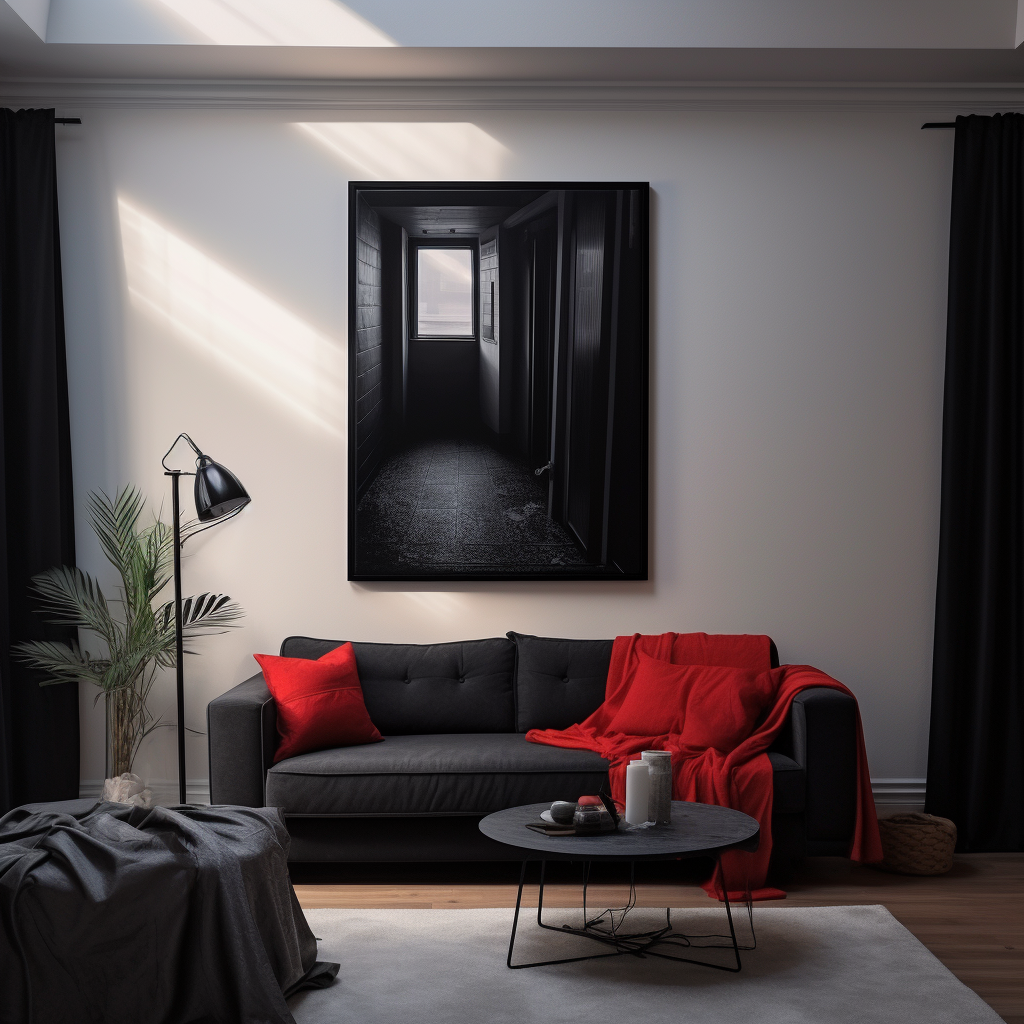
Haunted Walls: The Untold Burden of Homes Touched by Tragedy
Echoes in the Walls
When tragedy embeds itself into the architecture of a home.
There’s something haunting about a house where a tragedy has taken place, as if the walls have soaked up the trauma, holding onto the echoes of a life cut short. These homes stand as silent witnesses to the darkest moments, trapped between the past and the present, unable to shake the stain of what’s happened within their walls.
They are emotionally charged but utterly inanimate, holding stories that no one wants to hear, memories that no one wants to keep. And yet, they linger, like an open wound in the fabric of a neighborhood, a constant reminder of something broken, something that can never be truly fixed.
A Monument to Loss
How grief transforms a house into a battleground of memory.
For the families and relatives, a tragedy isn’t just a headline; it’s a shattering of their reality. They’re left to navigate a new world without their loved one, with grief that’s raw and relentless. And while they’re struggling to put one foot in front of the other, the house where it happened becomes a twisted monument to their loss. It’s not just a place to live anymore; it’s a battleground of memories, of “what ifs” and “why did this happen?”
It’s where they play out the scenes in their minds over and over, each corner of the home tainted by the specter of what happened. It’s a cruel kind of irony that the place meant to be a sanctuary becomes a prison of memories too heavy to bear.
The Neighborhood Ripple Effect
Why trauma never stays contained behind closed doors.
But the impact doesn’t end at the front door. It seeps out into the neighborhood, into the very streets that were once ordinary but now feel uneasy, uncertain. Neighbors who used to greet each other with casual smiles now exchange glances filled with unspoken questions and fears. The tragedy doesn’t just stain the home; it stains the community, weaving a thread of dread and discomfort into the daily fabric of life.
Trust falters. Conversations get hushed. The sense of safety that people cling to, the belief that their homes are fortresses against the chaos of the world, crumbles. A tragedy in the neighborhood is like a crack in that fortress, and everyone feels it, even if they try to pretend they don’t.
When Mourning Becomes Spectacle
The dark allure of tragedy in the age of content and clicks.
And then there’s the attention. The wrong kind of attention. The type that turns grief into a spectacle, that attracts the vultures of the modern world: social media clout chasers, thrill-seekers, and wannabe investigators who believe that the internet has given them a license to invade lives and spaces that were never theirs to begin with.
They swoop in with their smartphones and live streams, documenting every inch of the home as if they’re entitled to a piece of the story. They chase likes and shares, treating the house like a set piece for their own narrative—forgetting, or perhaps not caring, that this is real life, that real people are suffering
The Ethics of Looking
On voyeurism, boundaries, and stories that aren’t yours to tell.
It’s a grotesque kind of voyeurism, one that pries into the most private, most painful moments of a family’s existence. They snap photos of the house like it’s some kind of twisted tourist attraction, not a place where someone’s life was cut short. They speculate, they sensationalize, they twist the truth into whatever gets the most clicks. They forget that there’s a difference between being informed and being invasive. That not every story is theirs to tell, and not every scene of tragedy is a backdrop for their personal brand of content.
Homes That Can’t Heal
What happens when tragedy becomes permanent real estate.
The problem is, once a home has been marked by such an act, it’s nearly impossible to reclaim it as just a house. It becomes a part of the local lore, the place where “it happened,” forever anchored to that one horrific moment. And as long as there are those who want to exploit the tragedy, the home can never rest, never return to normalcy.
It’s dragged through the muck of public scrutiny, of morbid curiosity, of people who don’t know when to leave well enough alone. And in doing so, they strip away the last shreds of privacy from those who are already grappling with loss.
When Shelter Betrays Its Purpose
How places meant for protection become symbols of suffering.
It’s a cruel twist that the homes meant to shelter us, to hold our lives and keep our secrets, can become the very things that betray us in the aftermath of tragedy. They can’t speak up for themselves, can’t shake off the weight of what’s happened. And so, they just stand there, as the world continues to prod and poke, to dissect and display what should have been left alone. They’re more than just crime scenes; they’re emotional scars on the landscape, affecting everyone who crosses their path.
The Quiet Power of Space
Why the walls remember—and why that matters.
A tragedy in a home doesn’t just change the lives of those directly involved; it ripples outward, affecting neighbors, communities, even strangers who have no stake in the matter but feel compelled to insert themselves anyway. It’s a grim reminder that while walls may be inanimate, they hold the power to change lives in profound ways, serving as the silent witnesses to events that leave marks far deeper than any physical damage could. They remind us of the fragility of our own homes, of our own lives, and the uncomfortable truth that in a world so obsessed with documenting every moment, some stories are best left untold.